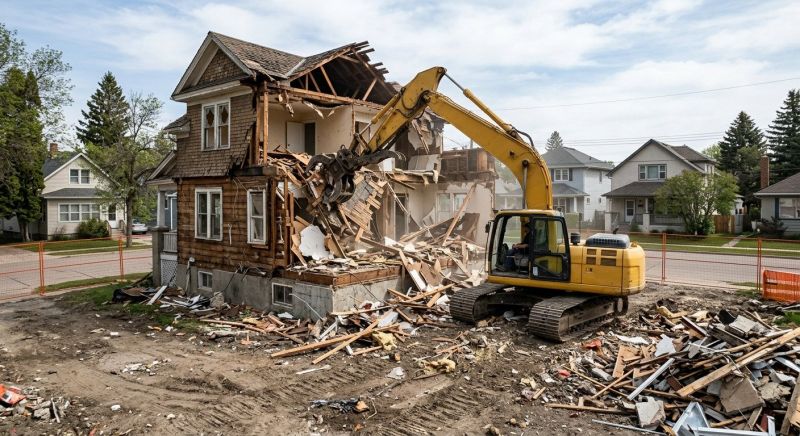
House Wrecking in Houston, TX
House wrecking services involve the careful dismantling and removal of entire residential structures, typically in preparation for new construction, renovations, or property redevelopment. These projects can range from complete teardown of an old or damaged house to selective demolition of specific areas, such as interior removals or additions. Property owners often seek this service to clear a site efficiently and safely, ensuring the property is ready for new construction or to meet local regulations for property improvement projects.
Before requesting house wrecking services, property owners should understand the scope of work involved, including the extent of demolition needed and any potential impact on neighboring properties. It’s also important to consider whether permits are required and to clarify what materials will be removed or recycled during the process. Having a clear plan for disposal and understanding the timeline can help ensure the project proceeds smoothly and aligns with property development goals.
Many property owners in Houston, TX look into House Wrecking for repairs, replacements, upgrades, and appearance-related improvements.
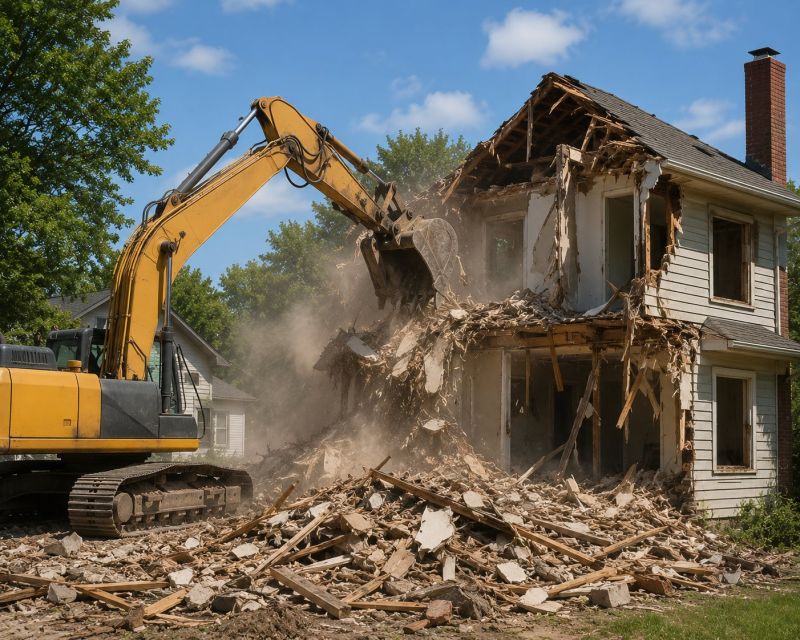
Residential Demolition
House wrecking services prepare properties for renovations or new construction projects in houston.
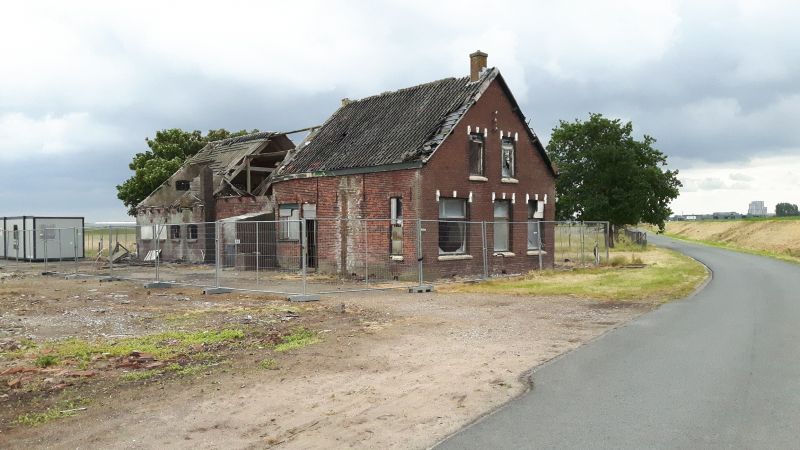
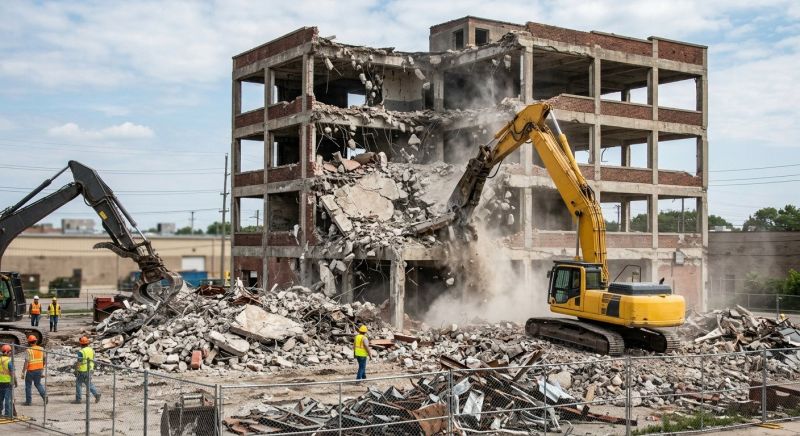
Commercial Wrecking
Removing old structures to make way for commercial development or upgrades in the houston area.
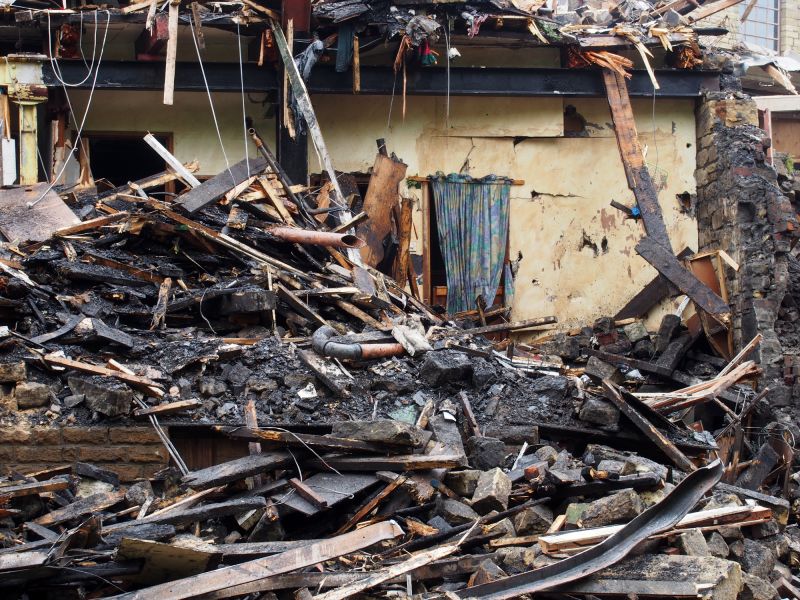
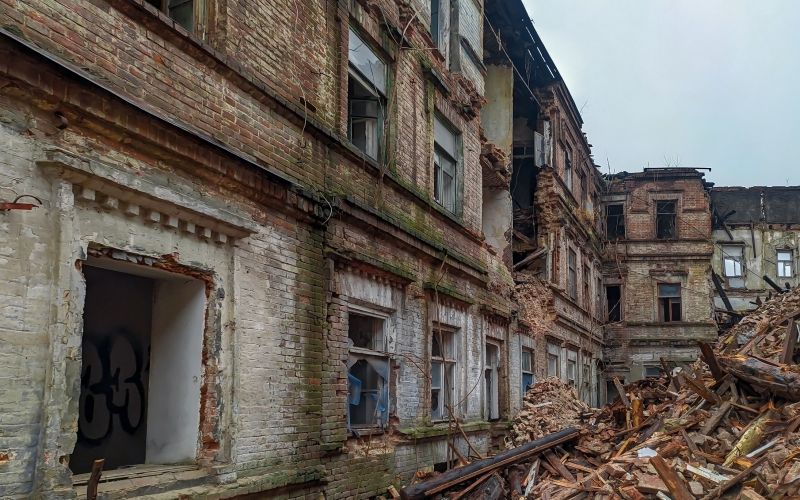
Unsafe Structure Removal
Hazardous or unstable buildings are safely dismantled to protect surrounding properties and residents in houston.
House Wrecking in Houston, TX

House wrecking services involve the careful dismantling and removal of entire residential structures, typically in preparation for new construction, renovations, or property redevelopment. These projects can range from complete teardown of an old or damaged house to selective demolition of specific areas, such as interior removals or additions. Property owners often seek this service to clear a site efficiently and safely, ensuring the property is ready for new construction or to meet local regulations for property improvement projects.
Before requesting house wrecking services, property owners should understand the scope of work involved, including the extent of demolition needed and any potential impact on neighboring properties. It’s also important to consider whether permits are required and to clarify what materials will be removed or recycled during the process. Having a clear plan for disposal and understanding the timeline can help ensure the project proceeds smoothly and aligns with property development goals.
Many property owners in Houston, TX look into House Wrecking for repairs, replacements, upgrades, and appearance-related improvements.
Common House Wrecking Jobs
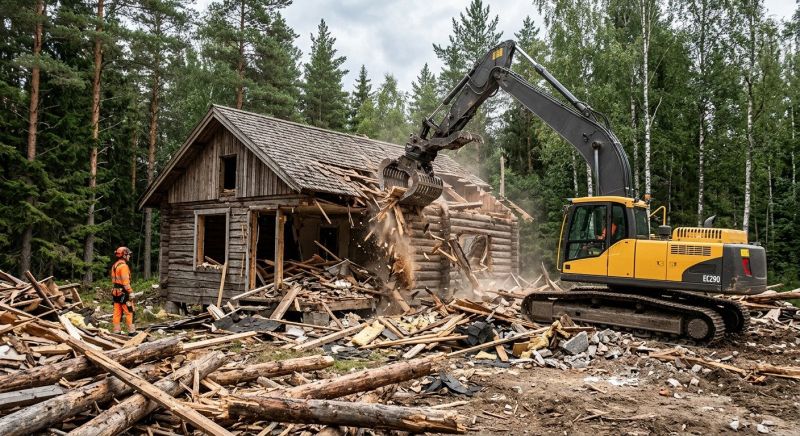
House demolition - complete removal of structures to prepare for new construction or renovation projects.
Interior gutting - stripping out interior walls, fixtures, and finishes for remodeling or updates.
Partial demolition - selective tearing down of specific sections such as kitchens or bathrooms.
Garage and shed removal - clearing out storage buildings to create space or improve property layout.
Foundation demolition - safely dismantling old or damaged foundations for site clearance or rebuilding.
Emergency wrecking - rapid removal of unsafe or collapsed structures to ensure safety.
House Wrecking Questions
What types of structures can be demolished? Wrecking services can handle residential homes, garages, sheds, and small commercial buildings.
Is the process safe for surrounding properties? Wrecking companies take measures to minimize impact on neighboring structures and landscapes.
What materials are typically removed during wrecking? Commonly removed materials include wood, drywall, roofing, and metals, which are handled according to local regulations.
How is debris managed after demolition? Debris is cleared from the site and can be disposed of or recycled based on property owner preferences.
Request House Wrecking in Houston, TX
Use the quote form on this page to share the basics of your project and request more information for the type of work you need.